
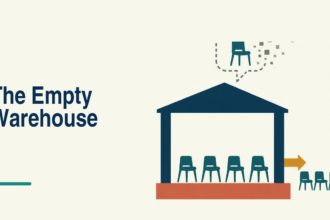


The investor applauded, then asked who used the product twice.
Marcus Lee looked at the slide showing twelve thousand signups for his networking app. The answer was 418, but the presentation displayed only registrations.
“We’re early,” he said.
The investor smiled with the patience reserved for bad numbers. “You’re eighteen months old.”
Marcus had raised seed money by promising that remote workers wanted spontaneous professional conversations. People downloaded the app, attended one awkward video match, and rarely returned. His team blamed onboarding, scheduling, profile quality, and insufficient scale. Each explanation produced another feature.
After the meeting, his product designer, Hana, suggested interviewing users who had left.
“We already survey them,” Marcus said.
“Surveys ask which button they disliked. I want to know why they don’t miss us.”
They called forty former users. Most were polite. Several admitted they had joined for a gift card. One woman said, “I work remotely so strangers interrupt me less.”
Marcus proposed pivoting to employer-sponsored mentoring, where participation would be scheduled and purposeful. The team built a pilot for two companies. Employees attended because managers invited them; afterward, few continued voluntarily.
With three months of cash left, Marcus considered reporting the pilot’s attendance as engagement and raising another round. Hana told him she would resign if he did.
He shut the company instead. Investors recovered little. Employees received severance, though not the bonuses Marcus had promised. For weeks, he introduced the failure as a timing problem.
Then Hana mailed him a printed slide from the final deck. Twelve thousand signups glowed above an empty retention chart she had added by hand.
Marcus pinned it over his desk at his next job. When colleagues celebrated a launch with twenty thousand downloads, he asked the question that had ended his company.
“Who came back?”