

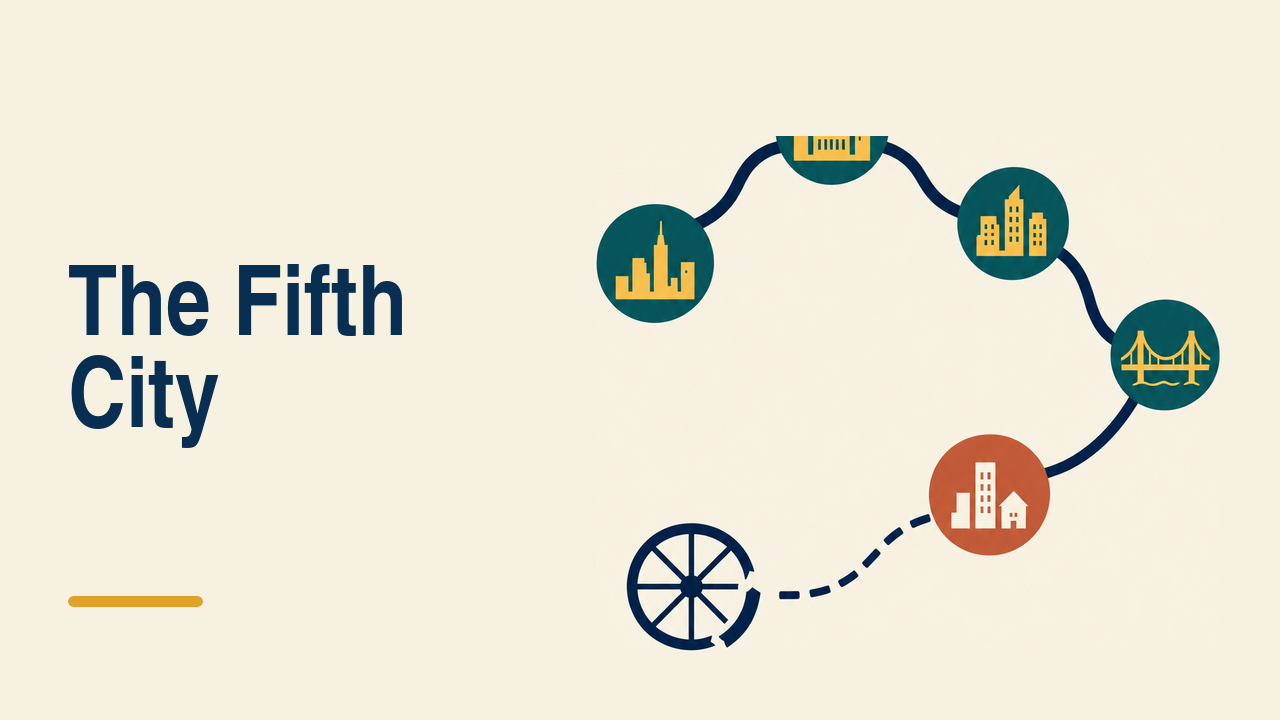
The courier’s bicycle lay under the delivery van, its front wheel still turning.
The courier, Jamal, was conscious and furious. “Your app sent me across six lanes for a four-dollar order,” he said.
Her company, ParcelMinute, had expanded from two cities to five in one summer. Couriers saw changing pay formulas, longer routes, and support messages answered by templates. Jamal was classified as an independent contractor, which meant the company’s insurer might not cover his injuries.
At headquarters, Sofia’s operations chief showed her the expansion budget. Converting couriers to employees in every city would consume the next funding round. Keeping the model meant launching two more markets on schedule.
“The accident wasn’t our fault,” he said. “A van ran the light.”
“The route was ours.”
“Every road is someone’s route.”
Sofia suspended the fifth city and guaranteed Jamal’s medical bills before the lawyers approved the statement. The board called an emergency meeting. One director warned that accepting responsibility could invite hundreds of claims.
The company introduced hourly shifts in dense areas and kept contractor work for optional suburban routes. Couriers chose between them, though the employee shifts were limited. Delivery fees rose. Orders fell seventeen percent. A retailer canceled negotiations.
Jamal recovered and declined Sofia’s offer to join a safety committee. He opened a bicycle repair stall with the settlement.
ParcelMinute survived in four cities and withdrew from the fifth. Two years later, a competitor entered all seven markets with lower prices and the same contractor model Sofia had abandoned.
At a conference, someone asked why her company had stopped growing.
Sofia could have discussed unit economics. Instead she remembered the spinning wheel.
“We found the size of the business we were willing to operate,” she said. It sounded defensive because part of it was.