

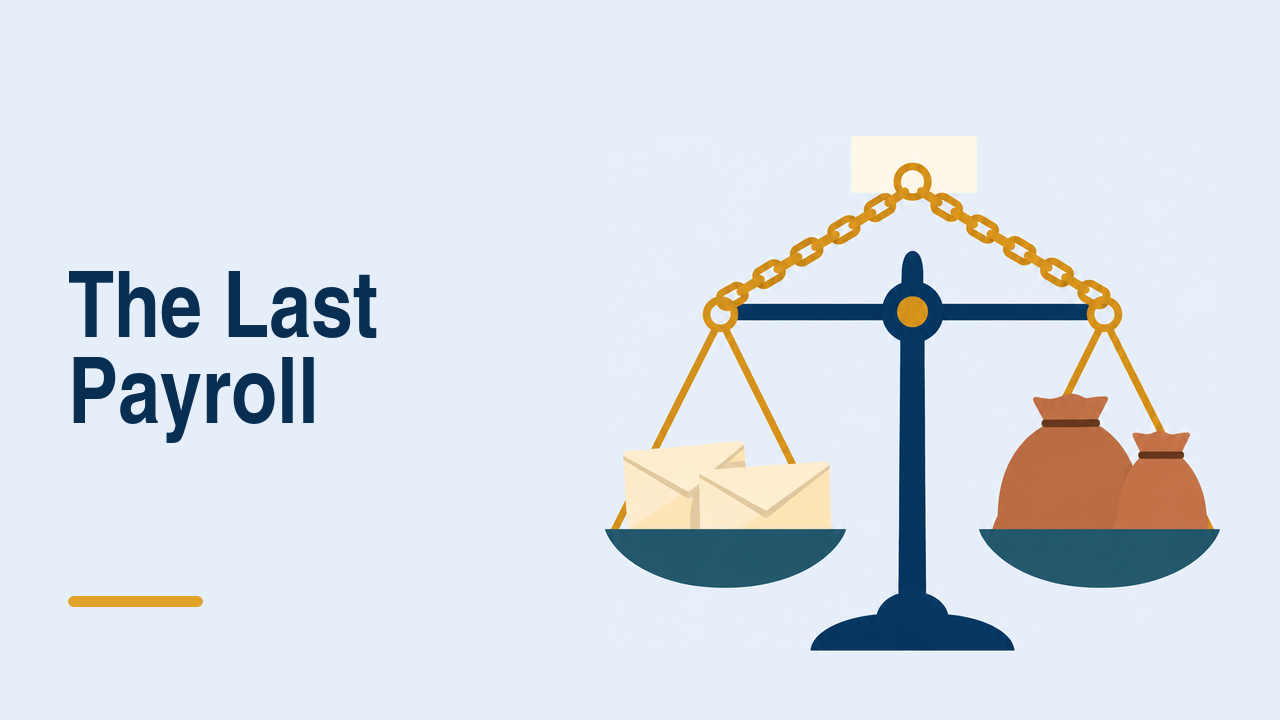
On Monday, Ada Mensah could pay her employees or the cocoa cooperative, but not both.
Her Ghanaian company supplied specialty stores abroad. A distributor had collapsed owing her ninety thousand dollars. The cooperative expected payment before the next harvest delivery. Twelve factory workers expected wages on Friday.
“Pay staff,” said Kojo, her production manager. “Farmers have other buyers.”
The cooperative chairman answered differently. “Your workers lose one wage. Our members lose the season.”
Ada had built the brand around direct, prompt payment to farmers. Customers paid a premium for that promise. Employees had also accepted modest wages because they believed the company treated people fairly.
Her bank rejected an emergency loan. A buyer offered an advance if Ada granted exclusivity at a lower wholesale price for three years. The deal would solve Friday and weaken every future order.
She signed it.
The cooperative received full payment. Employees received eighty percent of wages on time and the balance two weeks later. Kojo resigned, saying Ada had chosen marketing over the people beside her.
The exclusive buyer soon demanded new packaging and longer payment terms. Margins vanished. Within a year, Ada reduced the factory to six workers and outsourced part of production. The cooperative kept its contract but sold increasing volume elsewhere.
At a trade fair, a retailer praised Ada’s ethical supply chain.
Three years later, the exclusive agreement expired. The company was smaller, indebted, and alive. Kojo returned once to collect a reference letter. He asked whether she would make the same decision.
Ada looked through the office window at six workers labeling bars for shipment.
“I would decide sooner,” she said.
“That wasn’t my question.”
“It’s the only answer I have.”
Outside, a truck from the cooperative waited for someone to unload it.