



At 3:06 a.m., seventy-four patients received appointments for the same dermatologist.
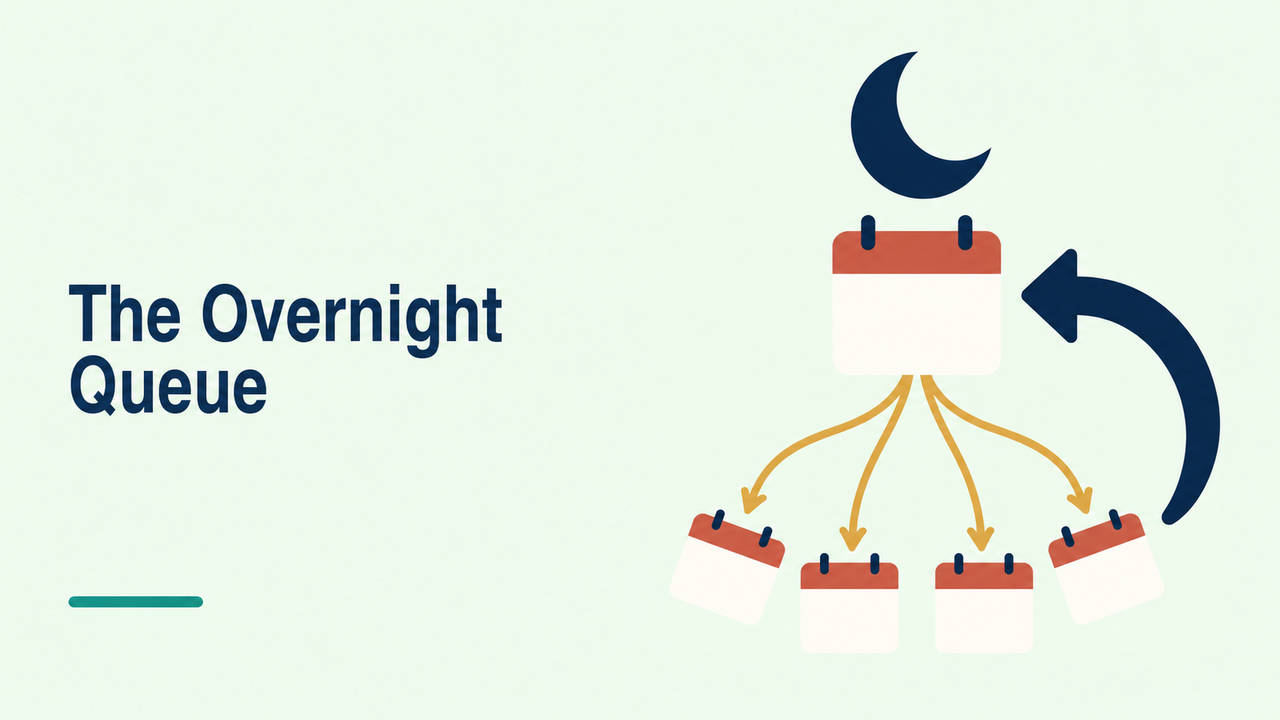
The scheduling company had grown from a small service for rural clinics into a national platform. Its new automated system filled cancellations overnight. A timezone error treated every open slot as available in Eastern time.
Priyanka Rao, the founder, joined the support channel and watched agents copy the same apology into dozens of chats.
“Roll back and restore yesterday’s database,” said Chen, her engineering chief.
That would erase legitimate appointments booked after the faulty release. Keeping the data meant clinics had to call patients individually and decide who retained each slot.
The largest hospital customer demanded a rollback. A small clinic in Montana begged them not to; six patients had finally obtained appointments.
Priyanka chose to preserve the bookings and mark conflicts for human review. The hospital threatened termination. Support agents worked overtime. Patients compared confirmation screenshots online and accused clinics of favoritism.
By evening, Priyanka reversed course and restored the database. The Montana appointments disappeared with the rest.
One patient, a ranch worker named Dale, emailed a photograph of a changing mole and wrote, You found me a doctor, then unfound one.
The company paid clinics to hold emergency sessions for displaced patients. It cost nearly a quarter’s profit. The hospital renewed after negotiating service credits and stricter release controls. The Montana clinic did not; its staff returned to a paper waitlist.
Growth resumed, but Priyanka required every major deployment to include a clinic representative. Releases became slower and arguments became longer.
Months later, a product manager complained that the new process prevented overnight innovation.
Priyanka opened Dale’s email, then closed it without showing him.
“Good,” she said. “Night is when nobody is awake to tell us what we broke.