


The baker downstairs started his ovens at four in the morning. By six, Farouk Bello’s tiny Lagos cold room was already fighting the heat rising through the floor.
“Your bread is cooking my tomatoes,” Farouk complained.
Mr. Eze laughed. “Then sell them as sauce.”
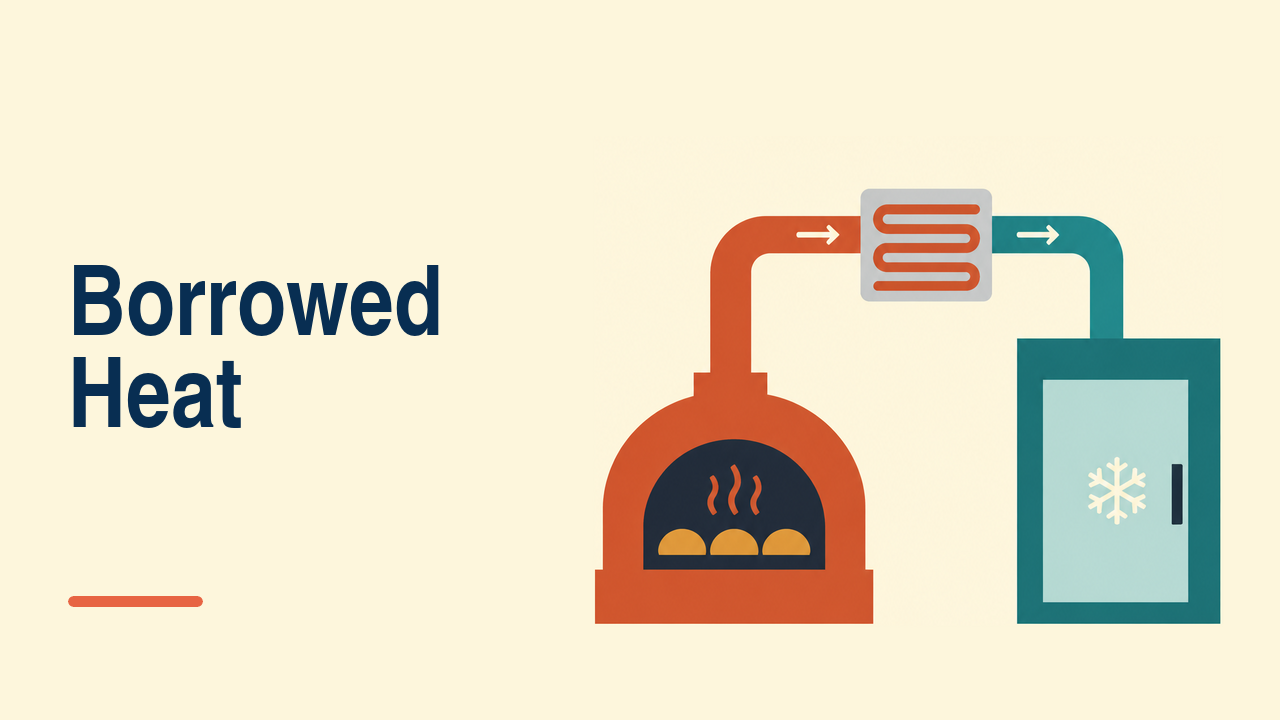
Farouk repaired refrigeration units for market traders, most of whom lost produce during outages. He wondered whether the bakery’s exhaust, captured through a heat exchanger, could power a small absorption cooler. The engineering was possible. The affordable version was not.
His university friend Nneka offered to design a cheaper unit if Farouk found ten customers. He collected deposits from five traders after showing them a polished rendering. Then copper prices rose, the imported valve doubled in cost, and the fabricator demanded payment in advance.
“Use the deposits,” Nneka said. “We need one working machine before we can sell ten.”
Farouk had promised delivery in eight weeks. Spending the money might produce a prototype or five angry creditors. Returning it would end the experiment before it became real.
He called the traders together beneath a torn market awning. Three demanded refunds. One woman, Bisi, asked how much produce the prototype could hold.
“Maybe forty crates,” he said.
“Then stop selling us machines. Sell us space.”
Farouk refunded what remained and gave the three impatient traders written repayment dates for the shortfall. Bisi invested her deposit in a shared cold room beside Mr. Eze’s bakery. The first unit leaked, then cooled unevenly, then finally held temperature through a six-hour outage.
Farouk never sold ten machines. He rented thirty-six crate spaces and spent most mornings settling arguments over whose peppers blocked the fan.
Mr. Eze raised his rent the following year. The borrowed heat, he said, had become valuable.