

MercadoSend’s first customer typed her mother’s name correctly and watched the app change it.
“That is not her name,” she told Gabriel Ruiz beside the ballooned Houston grocery kiosk.
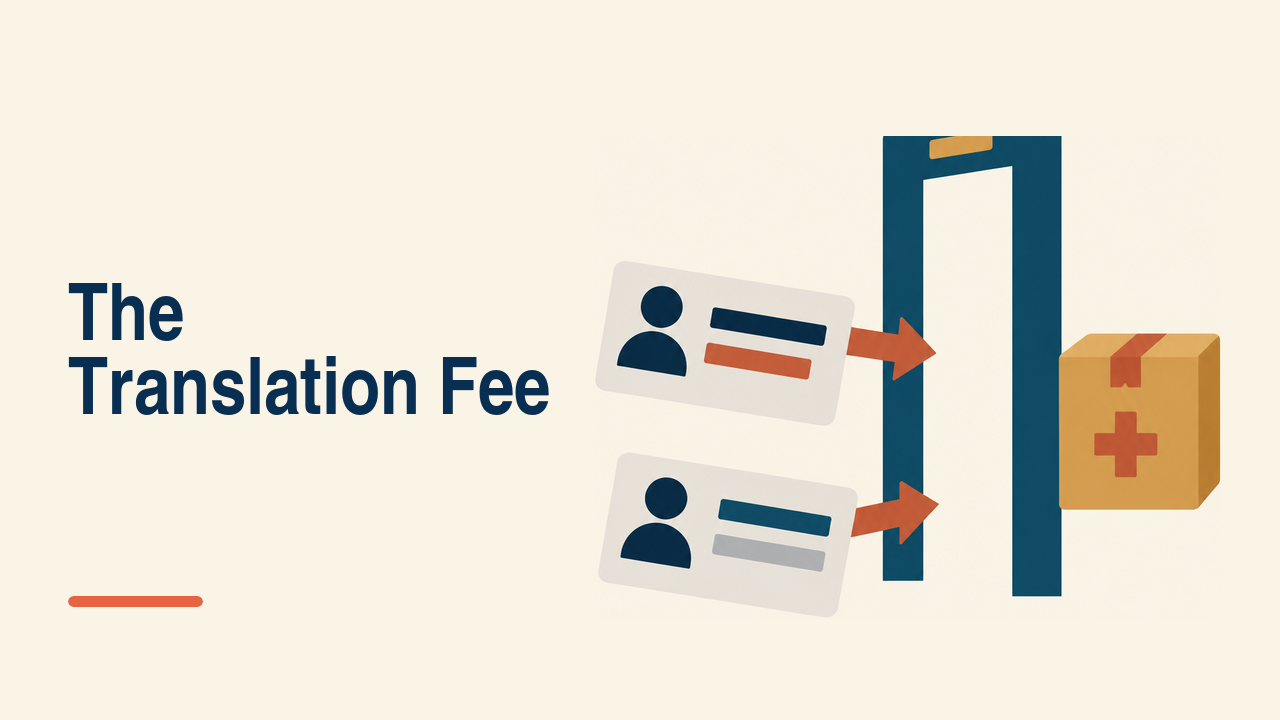
The remittance app had removed an accent mark, then shortened a second surname to fit a banking field. It might be held for manual review. Behind her, twelve launch-day customers waited.
Gabriel’s compliance officer, Denise, wanted to pause the kiosk. His investor, joining by video, disagreed. “Legacy banks truncate names every day. Process small amounts and reconcile exceptions.”
Each delayed transfer would trap money belonging to families who expected it that afternoon. Yet the company had paid for advertising, store staff, and a promotional exchange rate. Missing the weekend could cost sixty thousand dollars.
Gabriel asked the customer how urgently her mother needed the money.
“Medicine today,” she said.
He refunded the fee and walked her to a competitor’s counter. Then he unplugged the kiosk.
The investor called it emotional management. Denise called three partner banks and learned each handled compound surnames differently. For two weeks, the team mapped those rules by destination and added a confirmation screen showing exactly how the recipient’s name would travel.
When MercadoSend reopened, the promotional rate was gone. Only five customers returned from the original line. The grocery owner moved the kiosk beside the restrooms.
Six months later, support costs were lower than projected, but growth remained slow. Gabriel’s board replaced him as chief executive with an experienced payments operator. He kept a product role and a smaller share of the company.
The woman from launch day never became a customer. She did send an email: My mother got the medicine. You should fix your machine.
Gabriel printed it and taped it beside the testing monitor.